Which repair costs can landlords fairly charge against a tenant deposit?
Fair charges reflect actual, tenant-caused damage priced at reasonable repair cost.
Charge only for real, tenant-caused damage priced at a reasonable repair cost, not an upgrade. Account for the age of worn items, since a scratched old carpet is not billed as new. Document and disclose every charge clearly. This is general guidance, not legal advice, and allowable charges vary by state.
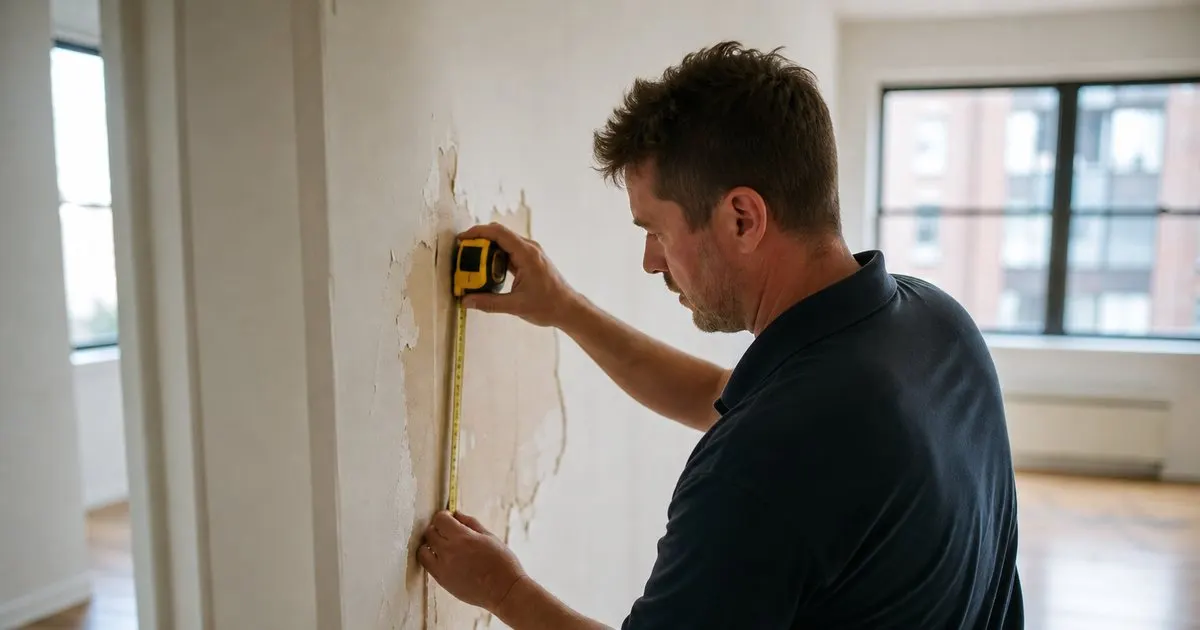
Tie the charge to real damage
A fair deduction starts with damage the tenant actually caused, beyond ordinary wear. A broken door, a burned counter, or pet-ruined carpet qualifies. Related: How should landlords handle a disputed security deposit deduction from a former tenant?
The move-in record is your anchor. If the damage was not there at the start, you can attribute it to the tenancy with confidence.
Keep reading: How do landlords write a clear security deposit return statement for tenants?, What deductions can a landlord legally take from a tenant security deposit?, When must a landlord return a security deposit after a tenant moves out?. See how DepositBackr helps you security deposit deduction and return statements.
Charge reasonable cost
The amount should reflect the reasonable cost to repair, not to upgrade. Fixing a damaged section is fair, but charging a tenant for a full premium replacement often is not.
Keep receipts or estimates that show the figure is grounded in real market cost. That documentation keeps the charge defensible. Related: Do landlords need receipts to justify security deposit deductions in most states?
Account for depreciation
Some states expect you to factor in the age of an item. A carpet near the end of its useful life cannot fairly be charged as if it were new. Related: How much should a landlord deduct for carpet and paint based on remaining useful life?
Prorating for age is both fair and often required. It acknowledges that materials have a finite lifespan regardless of the tenant.
Document and disclose
Whatever you charge, pair it with evidence and a clear description on the statement. Transparency is the difference between an accepted charge and a contested one. Related: How do landlords write a clear security deposit return statement for tenants?
Standards for reasonableness and depreciation vary by state, so treat this as general guidance rather than legal advice and confirm your local rules.
- Charge only for real, tenant-caused damage
- Price at reasonable repair cost, not an upgrade
- Account for the age of worn items
- Document and disclose every charge clearly

Julien Jimenez
Julien Jimenez is an independent software builder based in Paris. He designs, ships, and operates focused SaaS products for small businesses and independent professionals. Read the full author page.
Frequently asked questions
What does accounting for depreciation mean for repairs?
It means charging for the remaining value of a damaged item, not its full replacement cost. A tenant should not pay full price for a carpet that was already near the end of its life.
Can a landlord charge to upgrade a damaged item?
No. Fair charges restore the item to its prior condition, not better. Using a tenant's deposit to fund an upgrade is generally not allowed, though details vary by state.
Clear deposit statements in minutes
Security deposit deduction and return statements. DepositBackr is built to help you put this into practice.
Start freeMore from the DepositBackr blog

How do landlords write a clear security deposit return statement for tenants?

What deductions can a landlord legally take from a tenant security deposit?

When must a landlord return a security deposit after a tenant moves out?
Get the DepositBackr playbook
Practical guides on security deposit statements, straight to your inbox as we publish them. No spam, unsubscribe any time.