
Security deposit statements
How do landlords write a clear security deposit return statement for tenants?
An itemized statement that adds up prevents most deposit disputes before they start.
Practical, honest advice from the team behind DepositBackr, written to help you do this well.
An itemized statement that adds up prevents most deposit disputes before they start.

Most states allow deductions for damage and unpaid rent, but not for ordinary wear.

Deadlines range widely by state, and missing one can carry real penalties.
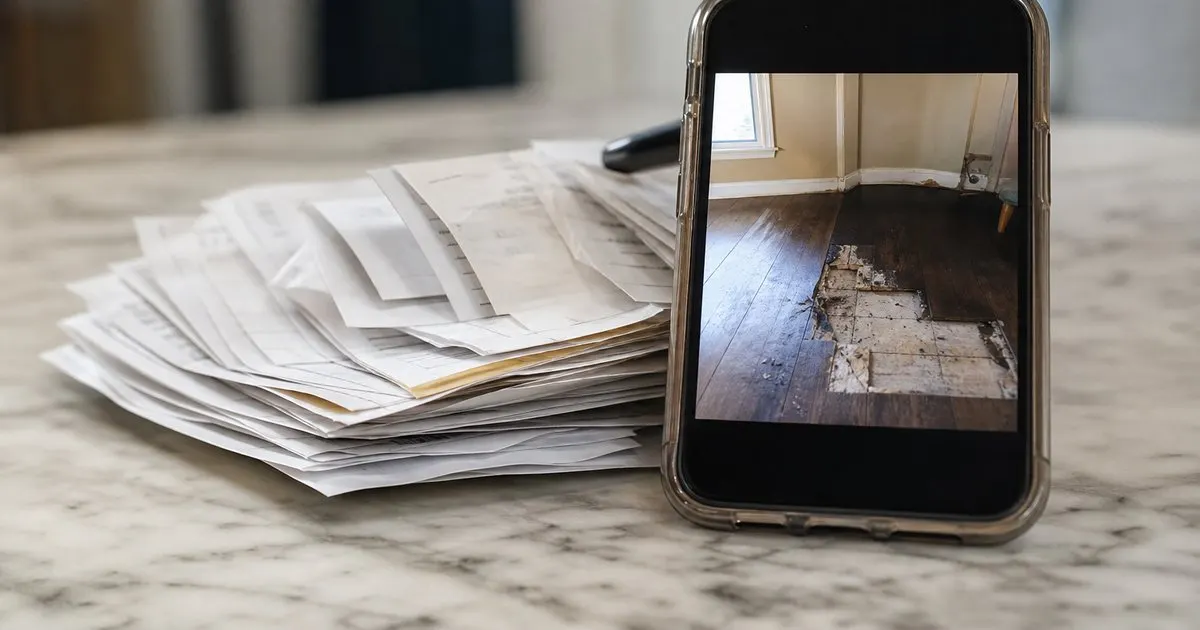
Photos and receipts turn a contested charge into one a tenant can accept.

A few recurring errors cause most deposit deductions to be challenged or reversed.
Late returns can forfeit deductions and expose landlords to added penalties.

Fair charges reflect actual, tenant-caused damage priced at reasonable repair cost.

A calm, evidence-based response often resolves a dispute before it escalates.

Receipts are not always mandatory, but they make deductions far easier to defend.

The deposit statement you write at move-out is only as strong as the record you built on day one. Here is what to capture, how to capture it, and how to get the tenant to agree to it.
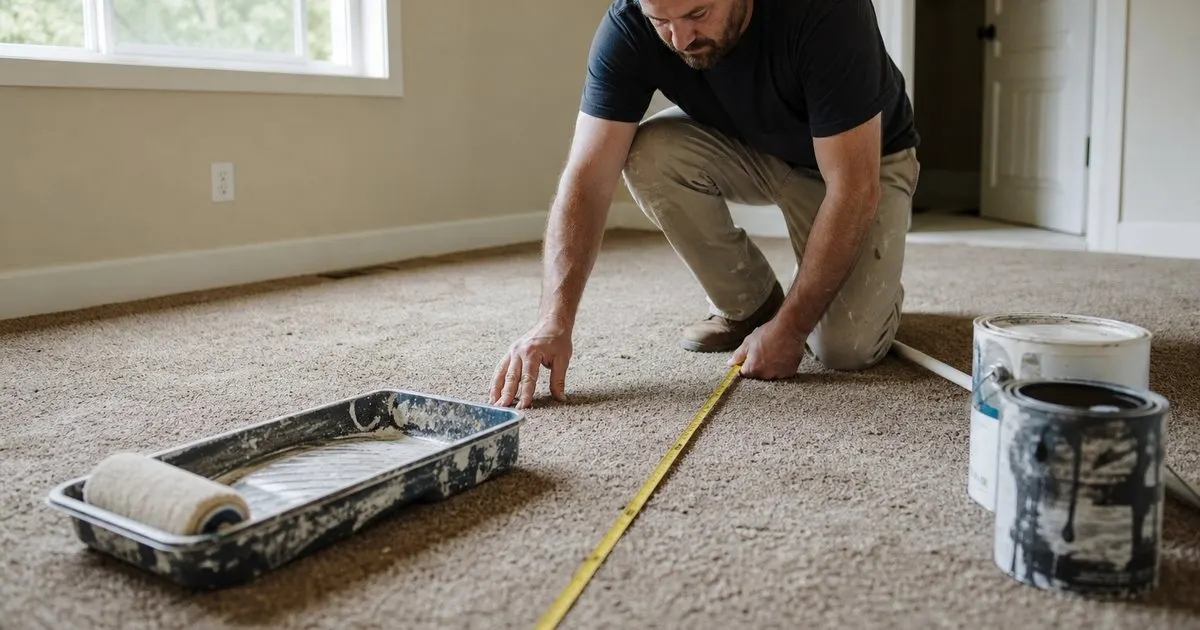
Charging a tenant the full price of new carpet or a full repaint is one of the fastest ways to lose a deposit dispute. Proration by useful life is the fairer, and safer, method.

Shared leases create shared deposits, and the tenants rarely agree on who paid what. Here is how to handle roommate turnover and the final refund without becoming the referee.

A missing forwarding address does not pause your obligations in most states. Here is how to meet the deadline, prove you tried, and handle money that never gets claimed.

Unpaid rent is usually the largest and easiest deduction to justify, but timing and documentation still matter. Here is when the deposit can cover rent and utilities and how to show it on the statement.

The deposit belongs to the tenancy, not to the owner who happened to collect it. Here is how sellers, buyers, and tenants should handle the handoff so nobody is chasing money later.
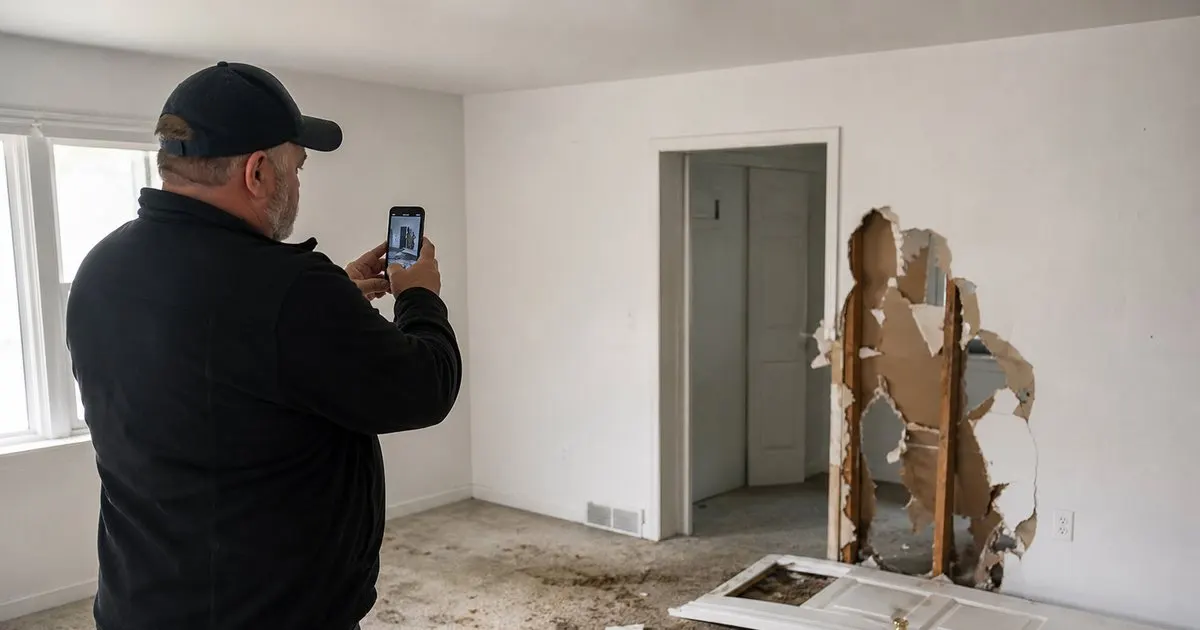
The statement is still required, and it becomes your demand letter. Here is how to document the shortfall, ask for payment, and decide whether pursuing it is worth the effort.

A perfect statement that cannot be proven delivered is a weak statement. Here is how mail, certified mail, email, and hand delivery compare, and why most landlords should use more than one.

It sounds like a harmless shortcut that saves everyone a check. In practice it strips away your protection at the exact moment you need it and muddies the final statement.

Before you subtract a single dollar, the money has to have been held the right way. Account rules, interest, and early disclosures all shape the statement you eventually send.

A short inspection a week or two before move-out gives the tenant a chance to fix what you would otherwise charge for. It usually makes the final statement shorter and much harder to argue with.