What should a landlord do when repair costs exceed the tenant's security deposit?
The statement is still required, and it becomes your demand letter. Here is how to document the shortfall, ask for payment, and decide whether pursuing it is worth the effort.
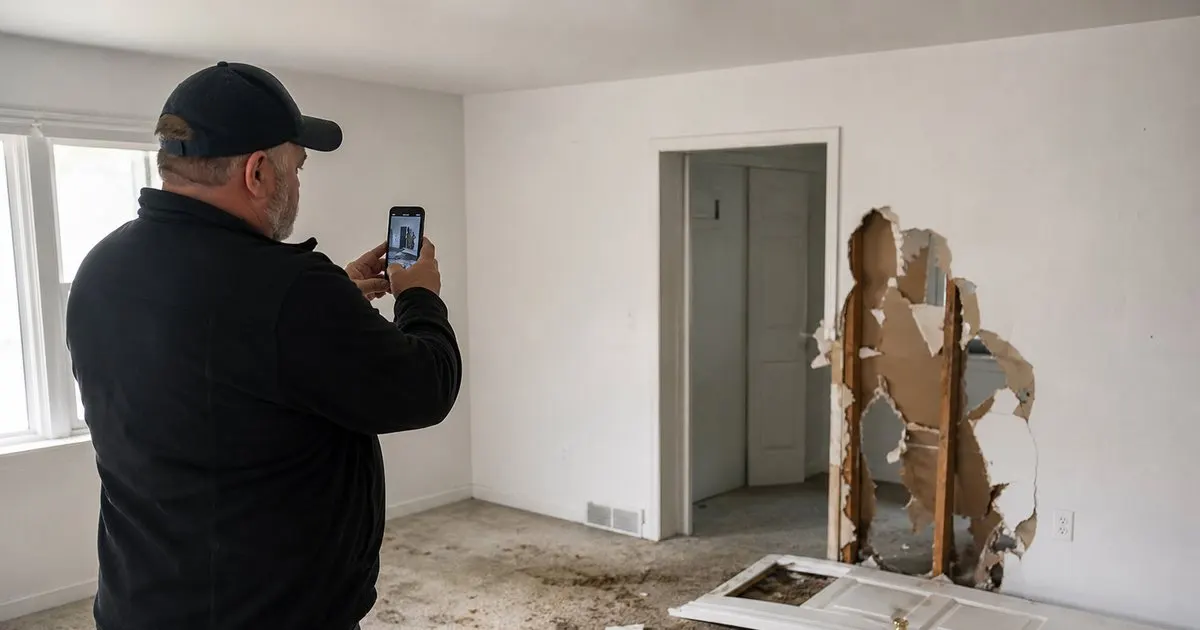
The statement is still due, and it now serves two purposes
When the damage bill is bigger than the deposit, some landlords skip the itemized statement because there is nothing to refund. That is a mistake. Most states require the statement whenever any part of the deposit is retained, and failing to send it on time can cost you the right to keep the deposit at all, and in some states expose you to penalties on top. The statement is your first, and best, chance to explain the full picture to the tenant. Related: How do landlords write a clear security deposit return statement for tenants?
Write it as a complete accounting: every deduction with its supporting document, the total, the deposit applied against that total, and the remaining balance owed. Then add a short section that functions as a demand: the amount due, a reasonable payment deadline, acceptable payment methods, and a line noting that you may pursue the balance through the courts if it is not paid. Keep the tone factual. A statement that reads as angry is less persuasive to the tenant and less useful in court. Related: What deductions can a landlord legally take from a tenant security deposit?
Keep reading: How do landlords write a clear security deposit return statement for tenants?, What deductions can a landlord legally take from a tenant security deposit?, When must a landlord return a security deposit after a tenant moves out?. See how DepositBackr helps you security deposit deduction and return statements.
Documenting the shortfall more carefully than usual
A balance owed will be scrutinized more closely than a partial refund, because you are asking the tenant to write a check rather than simply accept less back. Every line should tie to a photo of the damage, a matching move-in photo or checklist entry showing the item was fine before, and an invoice, estimate, or receipt for the repair. If you did the work yourself, itemize materials with receipts and charge a labor rate you can defend as reasonable for the task, and say so on the statement.
Prorate anything that has a useful life, such as carpet, paint, or appliances, so the balance reflects actual loss rather than upgrade cost. Judges routinely reduce or throw out claims that charge full replacement for aged items, and a tenant who spots one inflated line will assume the rest are inflated too. A smaller, airtight balance is worth more than a larger one you cannot fully support.
Getting paid without going to court
Many tenants will pay, or negotiate, if the statement is clear and the deadline is reasonable. Offer a payment plan in writing if the amount is significant; a signed installment agreement is easier to enforce than an unpaid demand. If there was a co-signer or guarantor on the lease, they are usually liable for damage as well as rent, and a copy of the statement should go to them at the same time.
If the tenant disputes specific items, engage with the evidence rather than restating the total. Sending the photos and invoices for the contested lines often resolves it, and where the tenant has a fair point, adjusting the balance shows good faith and strengthens your position on the remaining items. Keep a written record of every exchange, since it will form part of your case if the matter does go to court. Related: Why should landlords attach evidence to every security deposit deduction they claim?
Deciding whether to sue, and preparing if you do
Small claims court is the usual venue, and its dollar limit varies by state. Before filing, weigh the balance owed against the filing fee, the time to prepare and attend, and the realistic chance of collecting a judgment from a former tenant who may have limited income or may have moved out of state. A judgment is a piece of paper until it is collected, and collection can take further steps like wage garnishment that have their own costs. Related: When must a landlord return a security deposit after a tenant moves out?
If you proceed, your file is the statement you already prepared plus the underlying evidence: lease, move-in and move-out records, photos organized by item, invoices, and your correspondence with the tenant. Bring printed copies. Be ready to explain proration and to concede any item you cannot prove. Landlords who present an organized, honest accounting tend to do well in small claims; those who arrive with a single total and a stack of unlabeled photos tend not to.
- Send the itemized statement on time even when there is no refund, and include a clear demand for the balance owed.
- Tie every line to move-in evidence, move-out photos, and an invoice, and prorate items with a useful life.
- Offer a written payment plan and send the statement to any co-signer before considering court.
- Weigh the small claims filing cost and the likelihood of collecting before suing, and bring an organized file if you do.

Julien Jimenez
Julien Jimenez is an independent software builder based in Paris. He designs, ships, and operates focused SaaS products for small businesses and independent professionals. Read the full author page.
Clear deposit statements in minutes
Security deposit deduction and return statements. DepositBackr is built to help you put this into practice.
Start freeMore from the DepositBackr blog

How do landlords write a clear security deposit return statement for tenants?

What deductions can a landlord legally take from a tenant security deposit?

When must a landlord return a security deposit after a tenant moves out?
Get the DepositBackr playbook
Practical guides on security deposit statements, straight to your inbox as we publish them. No spam, unsubscribe any time.