How do landlords write a clear security deposit return statement for tenants?
An itemized statement that adds up prevents most deposit disputes before they start.
Lead with the original deposit amount, then itemize each deduction with a plain description and cost. Attach photos and receipts as evidence, and show the final balance owed to the tenant. Meet your state deadline so the statement holds up. This is general guidance, not legal advice, and rules vary by state.

Start with the full deposit
A clear statement begins with the original deposit amount, stated plainly at the top. From there, every deduction is subtracted in the open. Related: Why should landlords attach evidence to every security deposit deduction they claim?
Starting with the full figure builds trust. The tenant can follow the math from the beginning rather than trying to reverse-engineer a final number.
Keep reading: What deductions can a landlord legally take from a tenant security deposit?, When must a landlord return a security deposit after a tenant moves out?, Why should landlords attach evidence to every security deposit deduction they claim?. See how DepositBackr helps you security deposit deduction and return statements.
Itemize each deduction
List every deduction on its own line with a short description and an amount. Vague, bundled charges are the fastest route to a dispute.
Specificity matters. Replaced bedroom carpet due to pet stains tells the tenant far more than a single line reading cleaning and repairs.
Attach the evidence
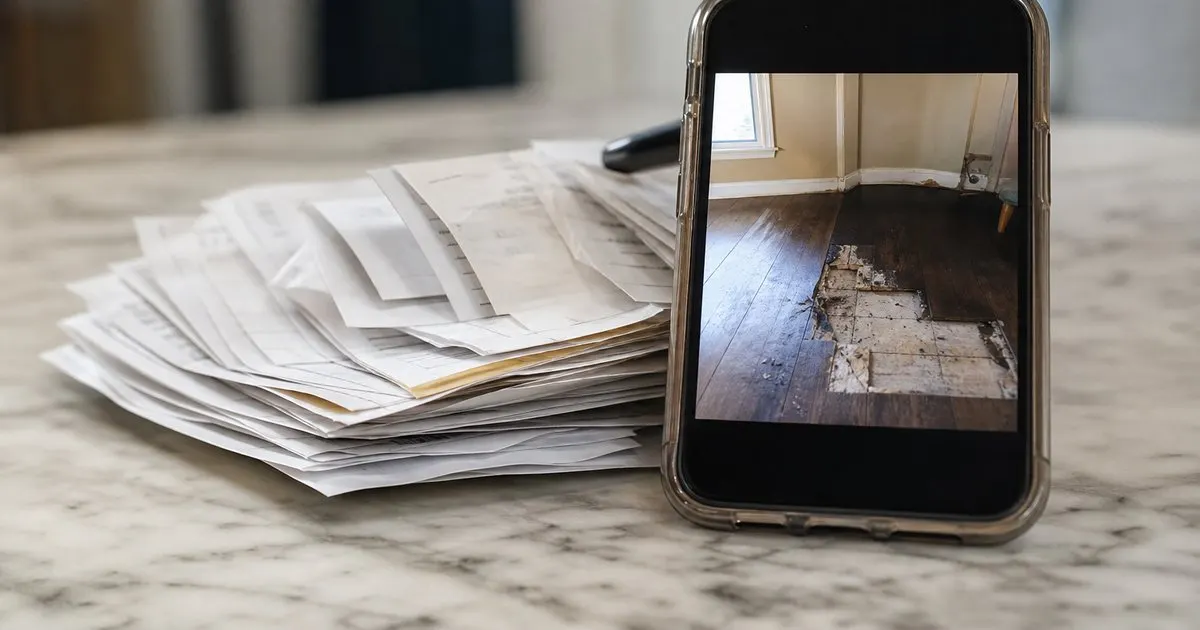
Back each deduction with proof. Photos of the damage and receipts or estimates for the repair make a charge easy to justify. Related: Which repair costs can landlords fairly charge against a tenant deposit?
Evidence transforms the statement from an assertion into a case. A tenant who can see the photo and the invoice has little room to argue.
Show the final balance
End with the math laid out: the deposit, the total deductions, and the balance being returned. Clarity here closes the loop. Related: What deductions can a landlord legally take from a tenant security deposit?
Send the statement within your state deadline. Timing and specific requirements vary by state, so treat this as general guidance, not legal advice, and confirm your local rules. Related: When must a landlord return a security deposit after a tenant moves out?
- Lead with the original deposit amount
- Itemize each deduction with a clear description
- Attach photos and receipts as evidence
- Show the final balance and meet your deadline

Julien Jimenez
Julien Jimenez is an independent software builder based in Paris. He designs, ships, and operates focused SaaS products for small businesses and independent professionals. Read the full author page.
Frequently asked questions
What makes a deposit return statement easy to dispute?
Vague or bundled charges, missing evidence, and math that does not add up. Each line should have a clear description, a cost, and backing proof, with the totals reconciling to the balance.
Should the statement include a refund even when it is zero?
Yes. Show the full accounting even if nothing is returned, so the tenant sees exactly how the deposit was applied. Transparency reduces disputes and demonstrates good faith.
Clear deposit statements in minutes
Security deposit deduction and return statements. DepositBackr is built to help you put this into practice.
Start freeMore from the DepositBackr blog

What deductions can a landlord legally take from a tenant security deposit?

When must a landlord return a security deposit after a tenant moves out?
Why should landlords attach evidence to every security deposit deduction they claim?
Get the DepositBackr playbook
Practical guides on security deposit statements, straight to your inbox as we publish them. No spam, unsubscribe any time.