What deductions can a landlord legally take from a tenant security deposit?
Most states allow deductions for damage and unpaid rent, but not for ordinary wear.
Most states let landlords deduct for damage beyond normal wear and for unpaid rent or agreed fees, and sometimes for excess cleaning beyond a reasonable baseline. Ordinary wear from living there is not chargeable. Specific limits differ, so this is general information, not legal advice, and rules vary by state.
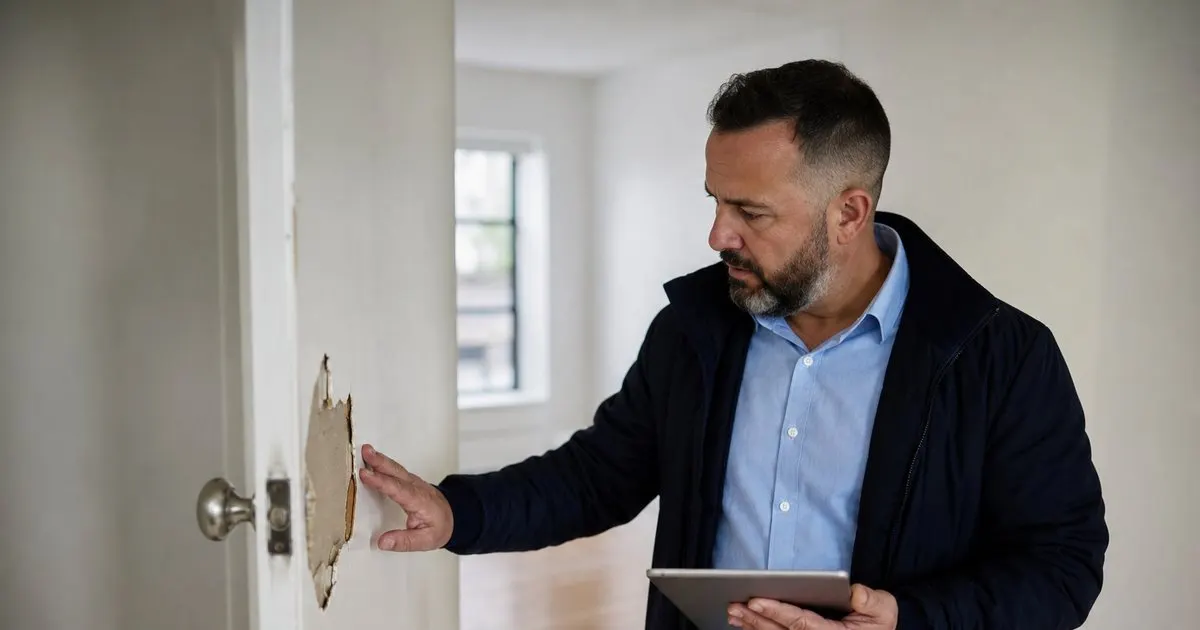
Damage beyond normal wear
The most common allowable deduction is repairing damage that goes beyond ordinary wear. Think broken fixtures, large holes, or pet-stained carpet, not faded paint or light scuffs. Related: How can landlords avoid common mistakes when itemizing security deposit deductions?
The distinction is central. Charging a tenant for normal wear is not permitted in most places and can expose you to penalties.
Keep reading: How do landlords write a clear security deposit return statement for tenants?, When must a landlord return a security deposit after a tenant moves out?, Why should landlords attach evidence to every security deposit deduction they claim?. See how DepositBackr helps you security deposit deduction and return statements.
Unpaid rent and fees
Many states allow you to apply the deposit to unpaid rent or agreed-upon fees left owing at move-out. This is a frequent and generally accepted use. Related: Do landlords need receipts to justify security deposit deductions in most states?
Document any unpaid balance clearly. A ledger showing what was owed supports the deduction if it is ever questioned.
Cleaning in some cases
Cleaning costs may be deductible when a unit is left dirtier than it was at move-in, beyond normal use. A move-in condition record sets that baseline. Related: What should a landlord document at move-in to support a future deposit statement?
Routine cleaning between tenants is often considered the landlord's cost, so this area requires care and good documentation. Related: How do landlords write a clear security deposit return statement for tenants?
Know your state limits
Rules on what is allowable, how much, and how it must be documented vary widely. Some states cap amounts or require itemized statements within a set window.
Because of that variation, this is general information rather than legal advice. Confirm the specific rules in the state where your property sits before making deductions.
- Damage beyond normal wear is usually deductible
- Unpaid rent and agreed fees often qualify
- Excess cleaning may be chargeable with a baseline
- Allowable deductions vary by state, so confirm local rules

Julien Jimenez
Julien Jimenez is an independent software builder based in Paris. He designs, ships, and operates focused SaaS products for small businesses and independent professionals. Read the full author page.
Frequently asked questions
Can a landlord deduct for routine cleaning?
Sometimes. Many states allow charges only for cleaning beyond what is reasonable to ready the unit, not for ordinary turnover cleaning. The exact rule depends on your state and lease.
Is unpaid rent a valid deposit deduction?
Usually yes. Unpaid rent and other amounts the lease allows are commonly deductible, but confirm your state's rules. This is general information, not legal advice.
Clear deposit statements in minutes
Security deposit deduction and return statements. DepositBackr is built to help you put this into practice.
Start freeMore from the DepositBackr blog

How do landlords write a clear security deposit return statement for tenants?

When must a landlord return a security deposit after a tenant moves out?
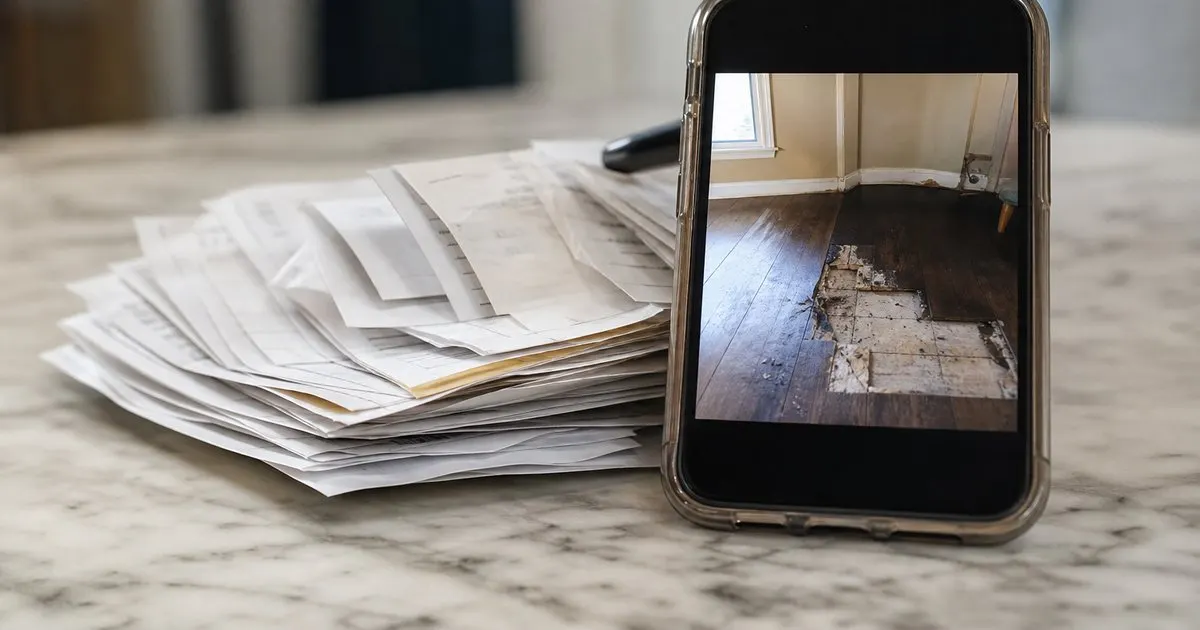
Why should landlords attach evidence to every security deposit deduction they claim?
Get the DepositBackr playbook
Practical guides on security deposit statements, straight to your inbox as we publish them. No spam, unsubscribe any time.