How do you return a security deposit when the former tenant left no forwarding address?
A missing forwarding address does not pause your obligations in most states. Here is how to meet the deadline, prove you tried, and handle money that never gets claimed.
Why a missing address does not stop the clock
Landlords sometimes assume that if the tenant never provided a forwarding address, the deadline to return the deposit or send an itemized statement simply does not start. In many states that is wrong. The deadline usually runs from the end of the tenancy or the date the tenant surrenders possession, and the statute tells you where to send the statement when no address was given, typically the tenant's last known address, which is often the rental unit itself. Related: How do landlords write a clear security deposit return statement for tenants?
A few states do tie part of the obligation to the tenant supplying an address, or extend the deadline until they do, and some allow the tenant's right to a statement to lapse if they never ask. Because the rules differ, look up your own state's deposit statute before relying on any general rule. The safest default is to act as if the deadline is running from move-out regardless, since sending a statement early never hurts and sending it late can trigger penalties. Related: When must a landlord return a security deposit after a tenant moves out?
Keep reading: How do landlords write a clear security deposit return statement for tenants?, What deductions can a landlord legally take from a tenant security deposit?, When must a landlord return a security deposit after a tenant moves out?. See how DepositBackr helps you security deposit deduction and return statements.
Reasonable efforts to find the tenant
Start with what you already have. The rental application usually lists an employer, an emergency contact, a previous address, and sometimes a co-signer or guarantor. The lease file may include an email address and a mobile number, both of which tend to outlive a physical address. A short, neutral message asking where to send the deposit statement is appropriate and often gets an answer within a day. Keep copies of every attempt with dates. Related: Why should landlords attach evidence to every security deposit deduction they claim?
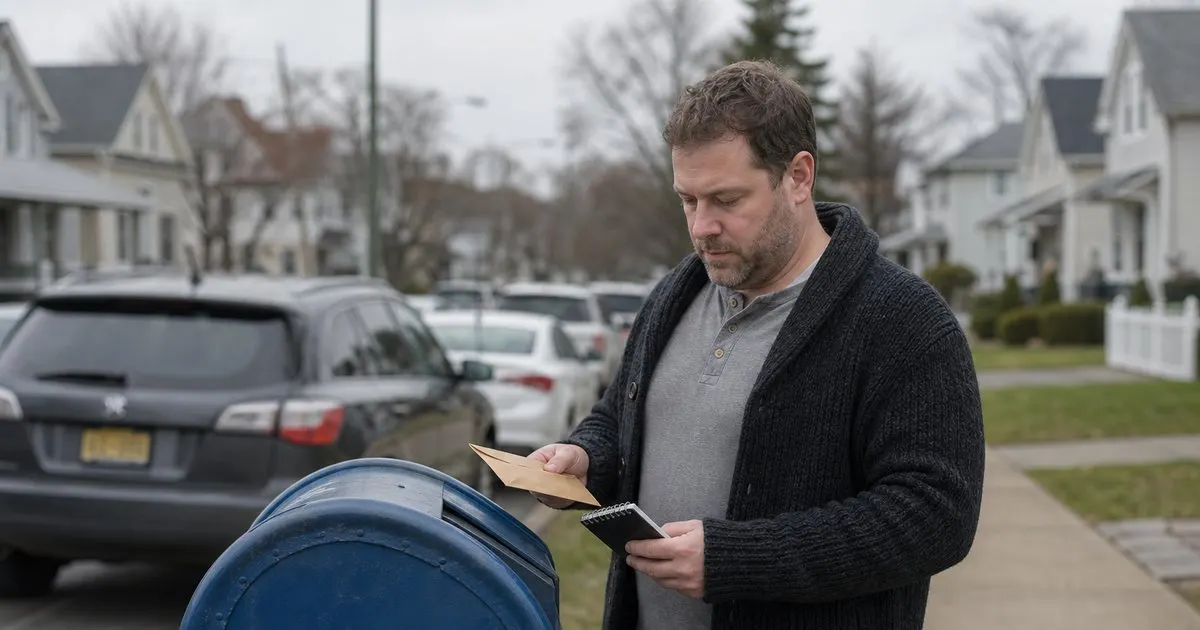
If direct contact fails, mail the statement and any refund to the unit address. Tenants who set up mail forwarding with the postal service will receive it, and if they did not, the envelope may come back to you with a forwarding address printed on it or a note that it was undeliverable. Either outcome is useful evidence. Do not send cash or a check you cannot stop; send a check you can stop and reissue if the envelope comes back or is never cashed.
Proving you complied
Your goal is a paper trail showing that you sent the statement to the correct address under your state's rule, on time, by a method you can prove. Certified mail with a return receipt is the usual choice, and many landlords send a first-class copy alongside it because certified mail can be refused or left unclaimed. Photograph the sealed envelope with the address visible, keep the receipt from the post office, and when the envelope comes back unopened, keep it unopened in the file.
Record the steps in a simple log: the date of move-out, each contact attempt and its result, the date and method of mailing, and what came back. If the tenant surfaces a year later claiming they never got a statement, that log plus the returned envelope will usually settle the question of whether you met your obligation. It also helps you answer honestly if the tenant's version of events differs from yours.
What to do with a refund nobody claims
If a refund check is returned or never cashed, do not quietly absorb the money. Reissue it if the tenant eventually provides an address, and keep the funds separate from your operating cash in the meantime. Most states have unclaimed property laws that require businesses, including landlords, to turn over funds owed to someone they cannot locate after a set holding period, along with a report identifying the owner. The period and the reporting process vary by state, so check with your state's unclaimed property office.
Some states also address this within the deposit statute itself, occasionally allowing the landlord to keep an unclaimed deposit after a defined period or requiring it to be sent to a specific agency. Whatever the rule, note the outcome on your copy of the statement and keep the file. A former tenant who reappears years later is entitled to a clear explanation of what happened to their money, and unclaimed property programs allow them to recover it if that is where it went. Related: What deductions can a landlord legally take from a tenant security deposit?
- In many states the return deadline runs from move-out even if the tenant never supplied a forwarding address.
- Use the application, emergency contact, email, and phone to ask for an address, and log every attempt.
- Mail the statement to the last known address, usually the unit, by a method you can prove, and keep returned envelopes sealed.
- Hold unclaimed refunds separately and follow your state's unclaimed property rules rather than absorbing the money.

Julien Jimenez
Julien Jimenez is an independent software builder based in Paris. He designs, ships, and operates focused SaaS products for small businesses and independent professionals. Read the full author page.
Clear deposit statements in minutes
Security deposit deduction and return statements. DepositBackr is built to help you put this into practice.
Start freeMore from the DepositBackr blog

How do landlords write a clear security deposit return statement for tenants?
What deductions can a landlord legally take from a tenant security deposit?

When must a landlord return a security deposit after a tenant moves out?
Get the DepositBackr playbook
Practical guides on security deposit statements, straight to your inbox as we publish them. No spam, unsubscribe any time.